
'Sorry, Baby' review: Eva Victor shines as writer, director, and star

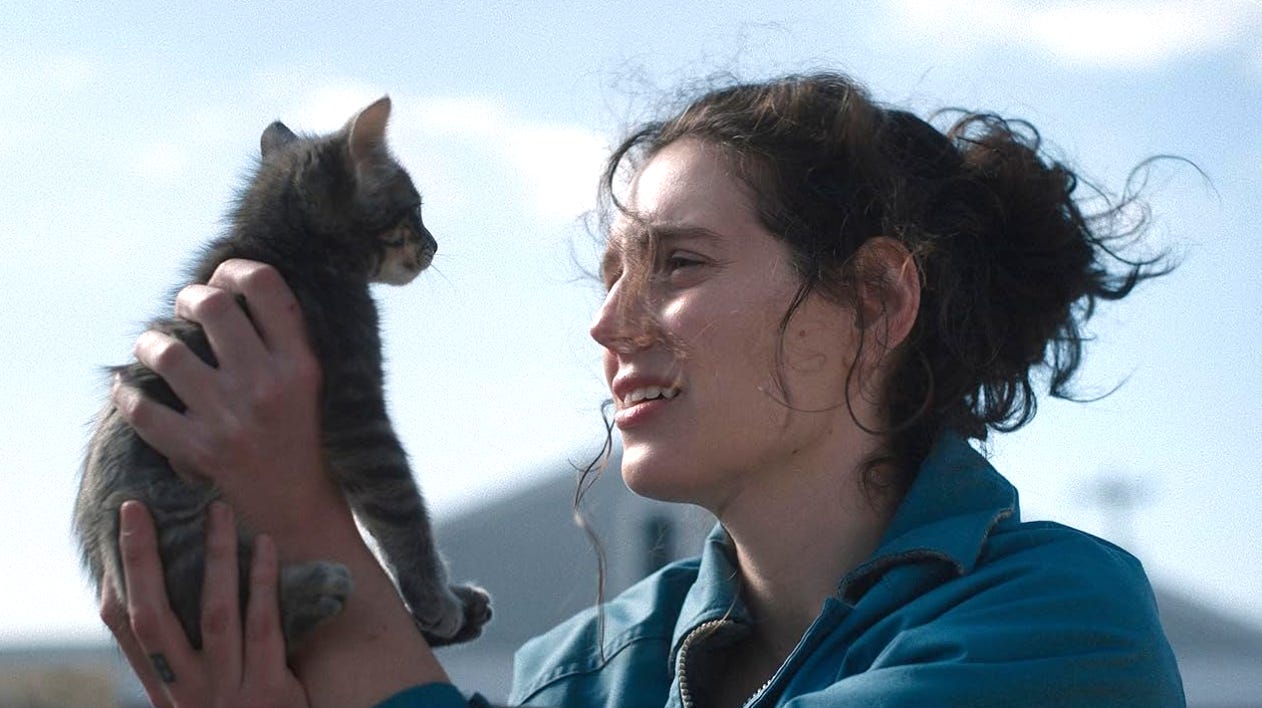
I’m about ready to close out my 2025 in film, catching up on the last titles that were on my watch list before the Oscars so I can finally publish my list of favorite films of the year. I don’t know yet if Sorry, Baby will appear on that list, but it makes a strong case. First-time writer and director Eva Victor tells the story of a sexual assault with an expert blend of tenderness and wry humor. (SPOILERS FOLLOW)
Victor also stars in the film as Agnes, an English professor at Fairport College in Maine. She was just granted a full-time position at the school, though the mood around the job isn’t entirely celebratory. We then flash back to when Agnes was a doctoral student under the tutelage of Preston Decker (Louis Cancelmi), who is smitten with her draft thesis, and maybe you already see where this is going. One night he invites her to his home to discuss that thesis, and Victor holds an eerie static shot of his house as time passes from afternoon to dusk to night. Eventually we see her exit the house, distraught. She tells her best friend Lydie (Naomi Ackie) immediately thereafter that Decker made sexual advances towards her, and then assaulted her. This itself introduces important character details, specifically that this friendship is so trusting that Agnes feels comfortable revealing the assault to Lydie immediately after it happens.
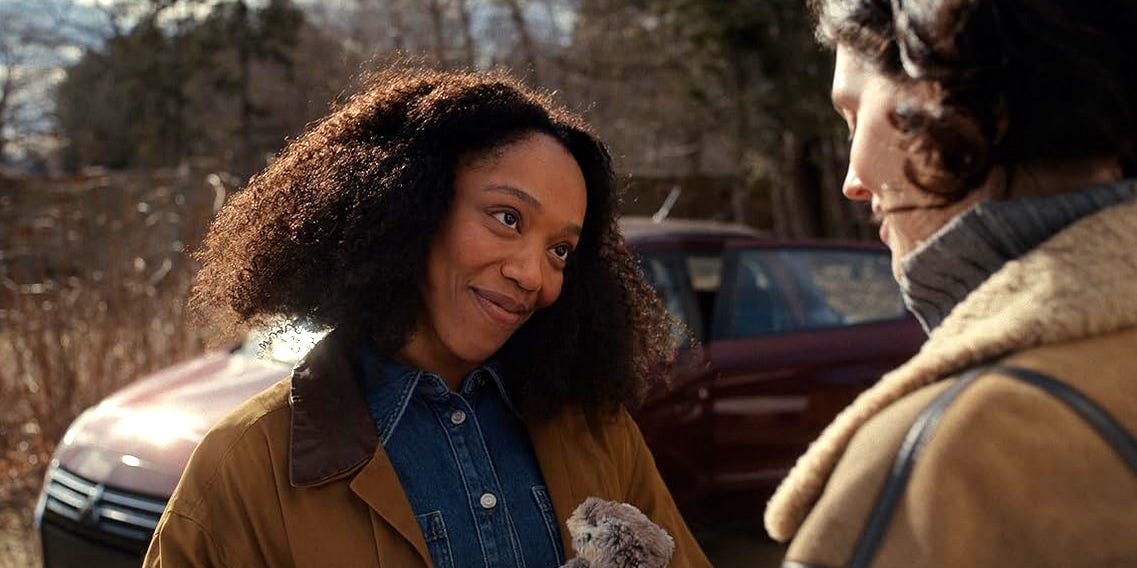
Sorry, Baby proceeds as a series of discrete scenes that illustrate the dehumanizing trauma in the aftermath of Agnes’s assault, from a doctor with no bedside manner to college administrators who are unable to help because Decker turned tail and ran from the school at the first opportunity. They can't investigate a former employee, they explain. But the administrators are women, which they insist is comforting. One of my favorite sequences from the film brings Agnes to jury duty, which seems like an unrelated story detour until the prosecutor asks prospective jurors if they have been victims of crime. She has to process in real time whether to reveal her assault to strangers and how, which gives us further insight into the way she views her own victimization.
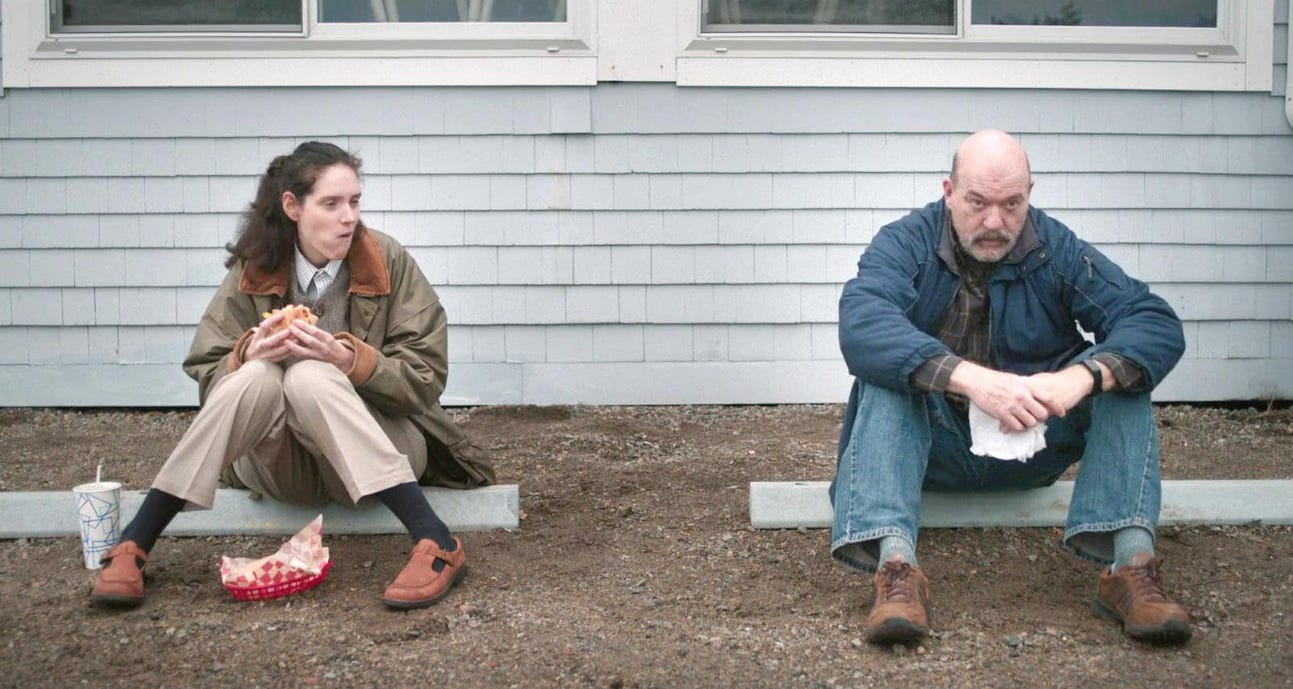
What moves me the most in movies is what this film offers in spades: kindness. In one scene, Agnes's intrusive thoughts lead her to borrow lighter fluid in order to set fire to Decker's office; Lydie expresses concern at first, but she's down to clown. There is also a moment with a stranger, a sandwich shop owner (John Carroll Lynch) who finds Agnes while she is experiencing a panic attack. I marvel at Lynch's ability to dissolve into any role, whether the character actor is a voice of reason, an oasis of comfort, or the probable Zodiac killer. The film ends with its most powerful moments that form its own thesis statement: Agnes with Lydie’s newborn baby girl, whom Agnes knows cannot be protected from all the harm that is inflicted upon women in this world, but who can count on her to be a port in the storm.
I'm struck by how different a movie this is from Luca Guadagnino’s recent, less successful drama After the Hunt, which concerned itself with the aftermath of a campus accusation. Guadagnino’s approach was cagey, noncommittal, and vague to a fault. He was interested in the unknowable answer to the pressing question — did he do it? — but kept his subject matter at an intellectual distance: overthought and under-felt. Sorry, Baby never doubts Agnes's story, and there's no need to because it's less concerned with evidence and justice than it is with how a young woman processes her primary trauma and all the little traumas that go along with it.
There’s no sudden epiphany or resolution at the end. Rather, the film underlines the importance of support from loved ones at times of need. Agnes doesn’t want Decker to go to jail because he has a young son, and anyway jail wouldn’t magically transform him into a better man. Either way, it’s not about him. It’s about the damage he leaves in his wake, those who show up for Agnes to pick up the pieces, and the future generations of women who deserve a better world. Alas, we don’t yet live in a society without rape culture. Sorry, baby, the film says, but you’re not alone.
I will never ever EVER get why people liked/loved this movie. First movie I saw at Sundance virtual last year... didn't get it... didn't really like it... tried to see it again when it was released. Nope.