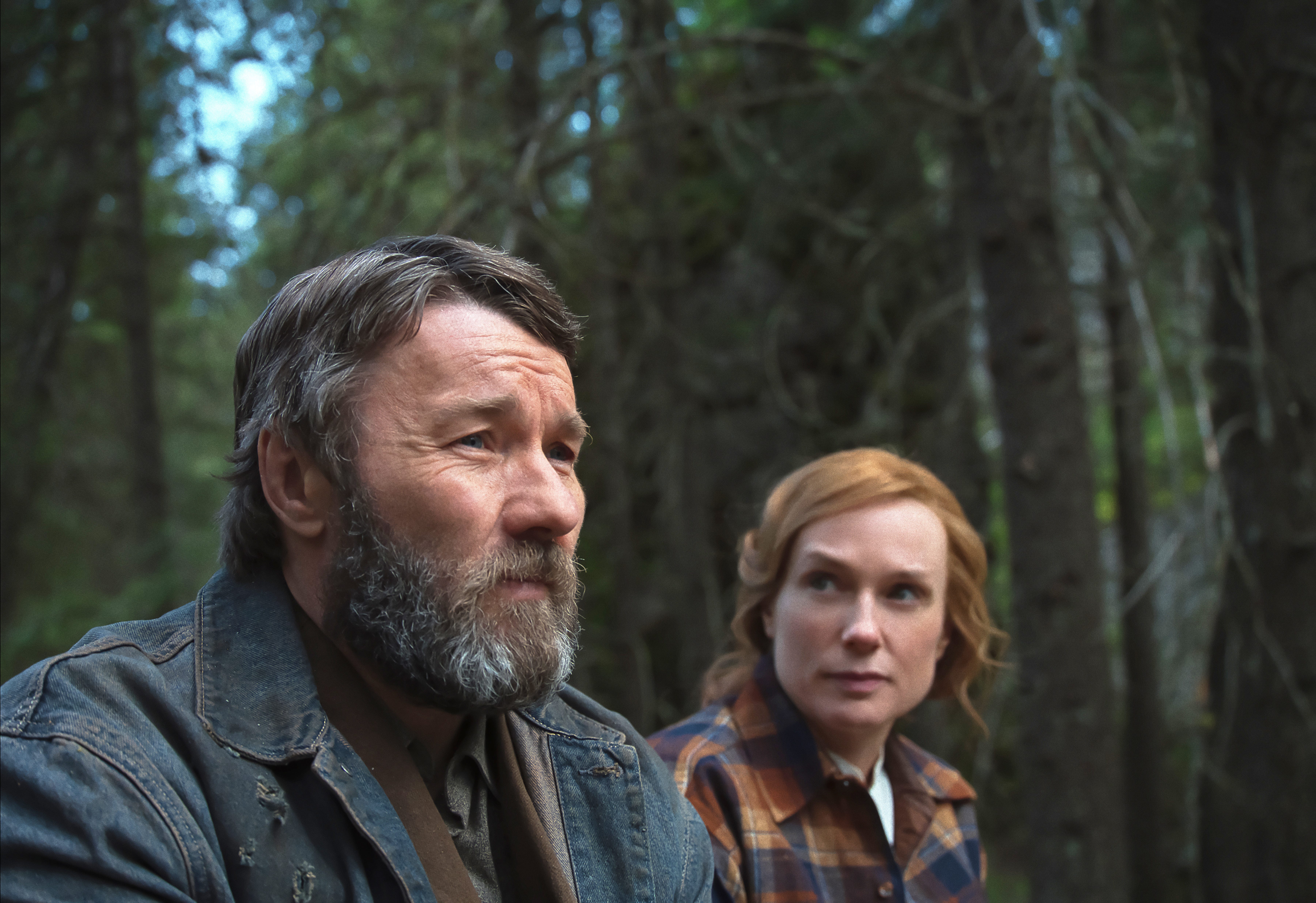
'Train Dreams' beautifully captures the fullness of a life

One of my frustrations with a lot of biopics is that a cradle-to-grave recounting of a historical figure’s life usually ends up skimming the surface, like reading a summary of a Wikipedia page. Train Dreams isn’t a biopic, but it is a cradle-to-grave narrative, and its beauty and depth would put to shame a lot of films about real people with real histories to draw from. It knows where to focus and where to elide, and for what purpose to elide.
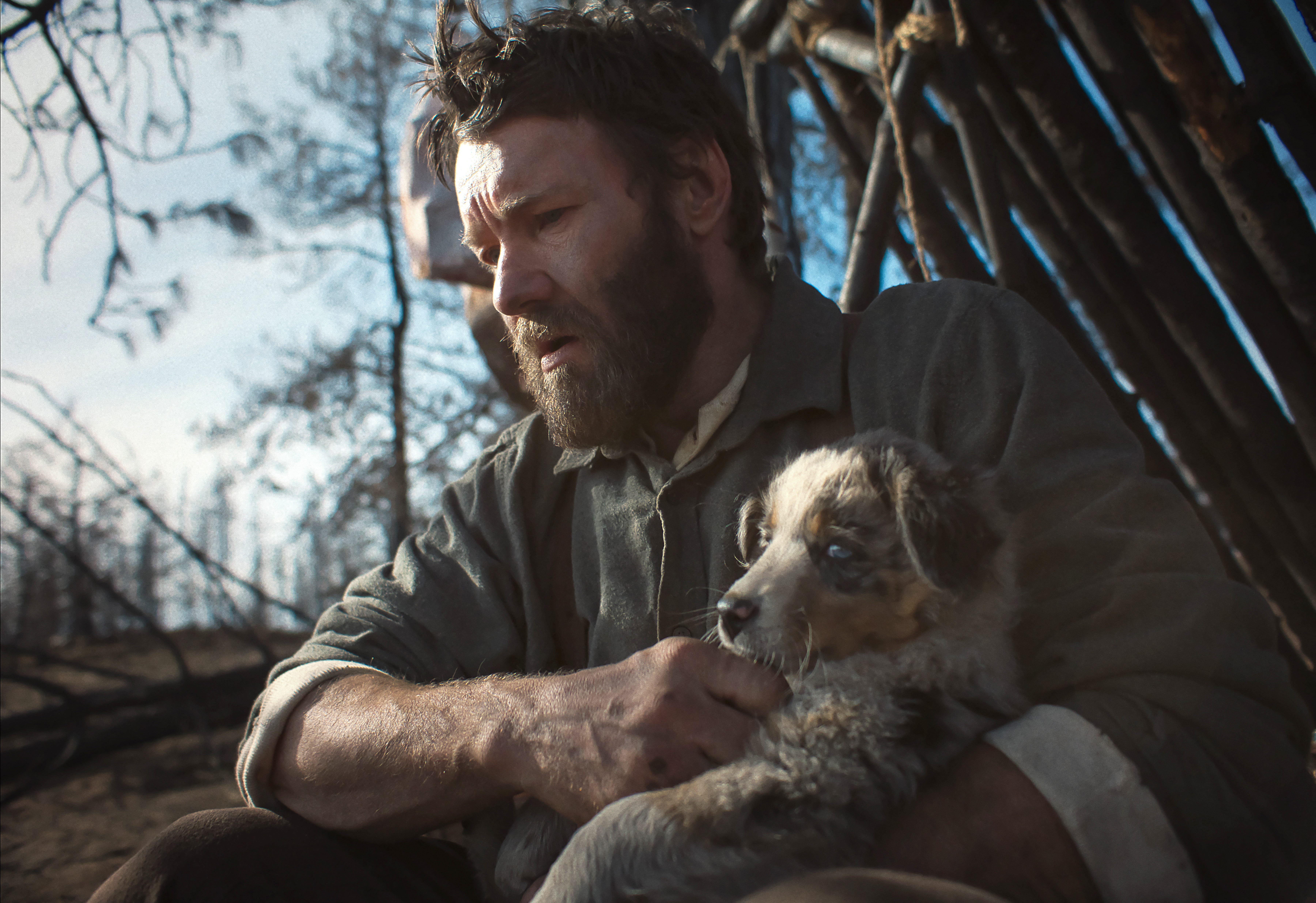
Based on a novella of the same name by Denis Johnson, Train Dreams is the story of Robert Grainier (Joel Edgerton), “who lived more than 80 years in and around the town of Bonners Ferry, Idaho,” according to the film’s exemplary narrator Will Patton. The character actor’s voice-over takes a minute to get used to, but then it feels not only natural, but essential. Patton brings a soft-spoken, world-weary temperament that matches Robert’s. He has lived a life and seen some things, and you can hear it in his voice. And the sound of it is so damn soothing you could sell the narration as ASMR. The poetry of his language and delivery contrasts with the fairly meager life of the protagonist, an orphan who never knew exactly when he was born or who his parents were. “He quit attending school in his early teens, and the next two decades passed without much direction or purpose.” Here, consider how the narration leaps the story forward in time while advancing the character with a sad new detail: that he spent his youth in an aimless meander that doesn’t merit much attention.
As a logger and railroad worker, Robert sees racism and injustice, particularly against Chinese workers, but this is not a story about racism, per se, and Robert is not a crusader. He’s like most of us, probably, living through history without drastically altering its course. He’s haunted by the casual violence he witnesses, the tragic accidents that befall members of his crew. He keeps his head down for his own safety, and probably for his comfort too if we’re being honest. Like him, most of us just get through each day as best we can.
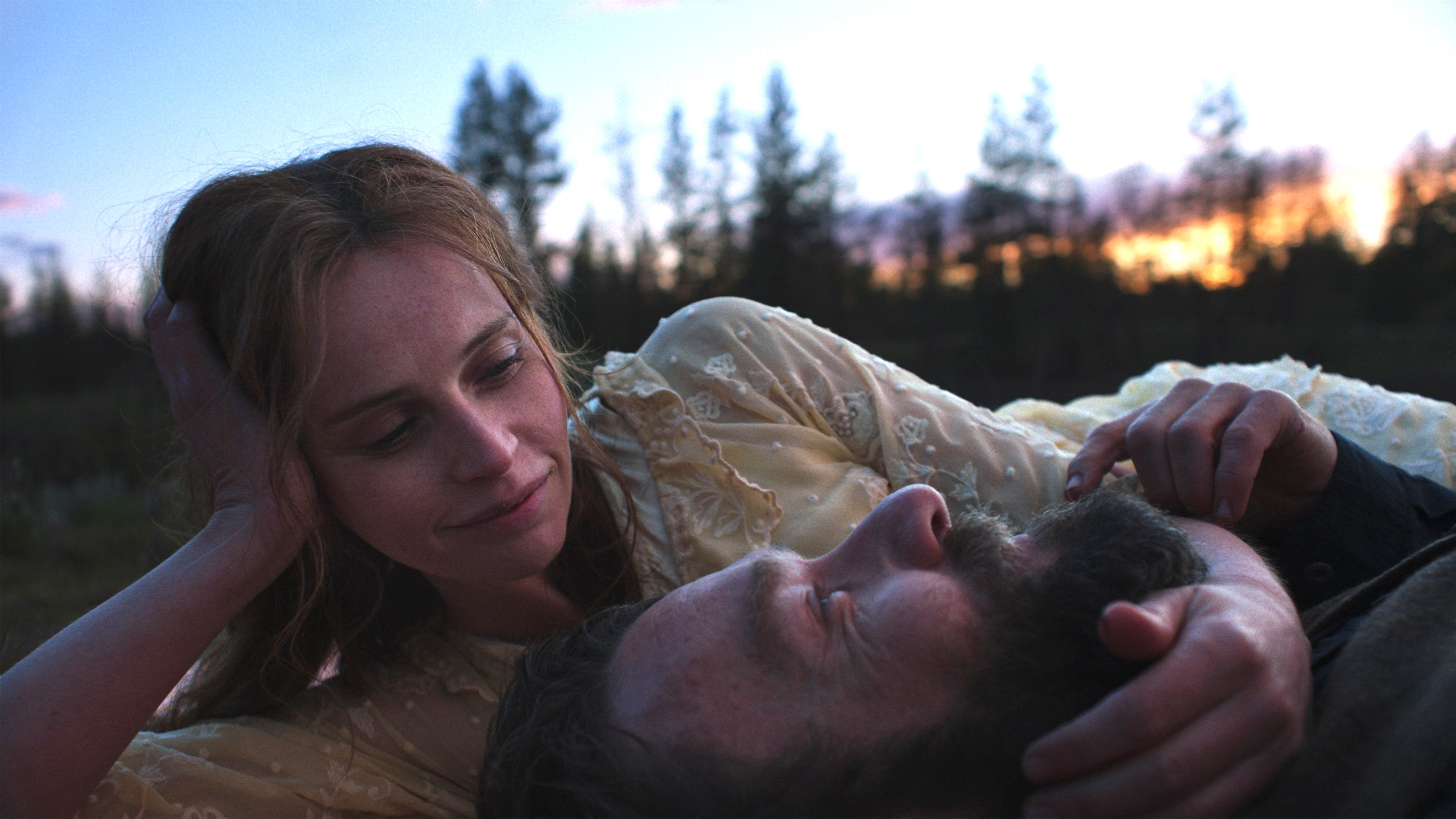
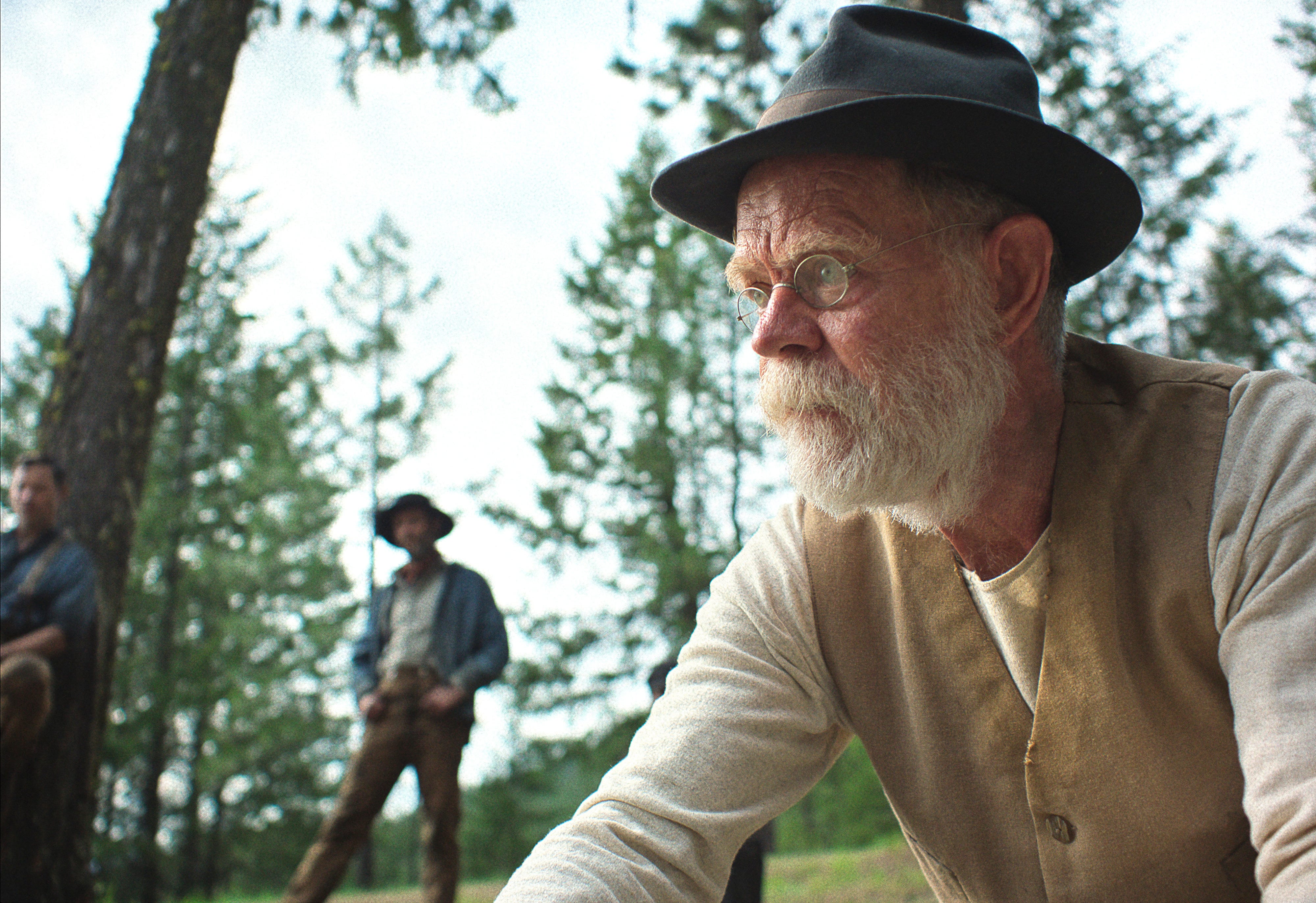
Meeting Gladys (Felicity Jones) changes his life forever, and I think that’s all I’ll describe of the plot. Robert’s life as portrayed by the film is ordinary yet mythic — a series of triumphs and tragedies, of small moments hung across his timeline like a string of lights. It felt as though I was hearing the life story of a recent ancestor, learning along the way what life was like at a certain time in a certain place. The film doesn’t just chronicle the most formative events of his life, though. The moments that stand out here are quiet and intimate, like a fireside chat with mysterious explosives expert Arn Peeples (William H. Macy in a small but enriching role) or an emotional confession to surveyor Claire Thompson (Kerry Condon) about grief and regret.
With cinematographer Adolpho Veloso, director Clint Bentley (an Oscar nominee earlier this year for co-writing Sing Sing) emphasizes the beauty of the natural landscape and the haunting shadows of firelight. I was reminded of the work of director Terrence Malick (The Thin Red Line, The New World, The Tree of Life), but at 102 minutes, this film is much pithier than most of Malick’s offerings. And Edgerton, who has been very good in very many things throughout his career (Animal Kingdom, Loving, The Green Knight, to name a few favorites of mine), delivers a performance of understated dignity and rich emotional texture that I’d call a career pinnacle, were I not pretty sure the actor could reach even higher heights.
“Right now I can just about understand everything there is,” says Gladys at a moment of romantic bliss, but Robert struggles with his feelings about purpose and meaning. What is it all for? “Do you think that the bad things that we do follow us through life?” he wonders to Arn one night, to which Arn answers, “I reckon if I could figure it out, I’d be sleeping next to someone a lot better-looking than you.” At one point, Robert does feel “connected to it all,” but I don’t think Train Dreams presents any one particular thesis about the meaning of life, except to cherish its joys and relationships. Beyond that, life is just the living of it.